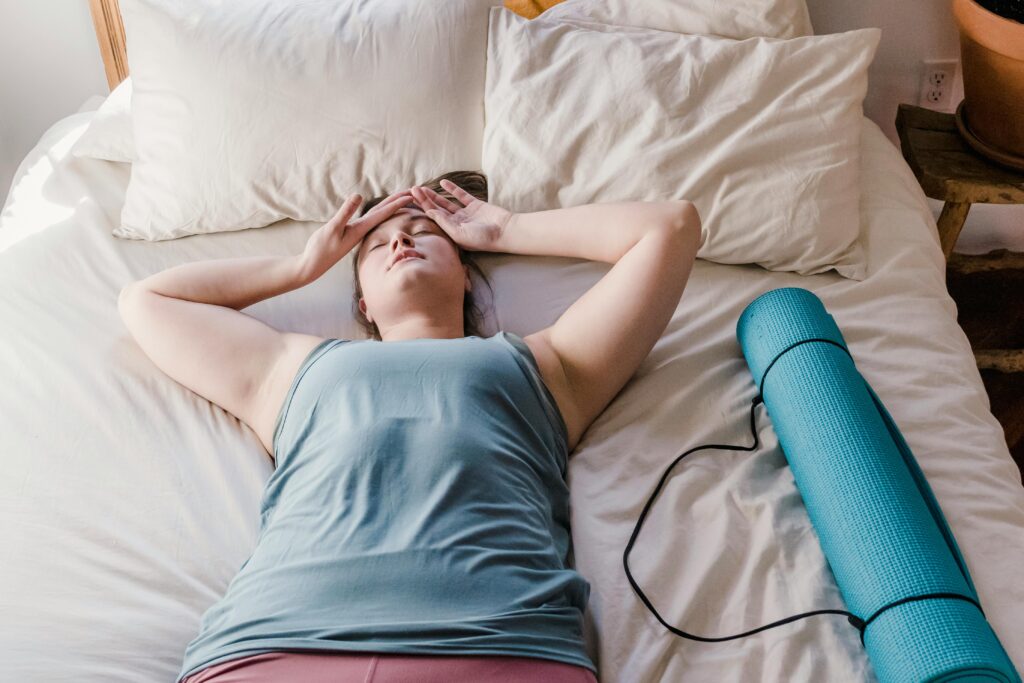
The Link Between Sleep and Mental Health: Why Rest Is the Real Reset Button
Sleep is often treated as an extra. Sleep is often pushed aside for work, study, or scrolling. Sleep is often ignored until problems appear. Sleep is often replaced with caffeine and stress. Sleep is often forgotten in a busy world.
However, sleep is not a luxury. In fact, it is a key part of strong mental health. The quality of your sleep can shape your mood, your focus, and your overall wellbeing. When you sleep well, your mind heals. When you sleep poorly, your mind struggles. Therefore, if you want a healthier brain and better mental balance, sleep must be a top priority.
In this article, we will explore the deep connection between sleep and mental health, the warning signs of sleep loss, and clear steps you can take to improve your rest.
Why Sleep Matters for Mental Health
Your brain never truly “switches off.” Instead, while you sleep, it works in a different way. It clears waste. It sorts memories. It restores energy. As a result, your brain becomes ready for a new day.
When sleep is poor or short, this process is disturbed. Therefore, emotional control becomes harder. Focus becomes weak. Stress feels stronger. Over time, this can lead to serious mental health problems.
Studies show that sleep and mental health are closely linked. Poor sleep can increase the risk of:
- Anxiety
- Depression
- Burnout
- Mood swings
- Poor concentration
- Low motivation
On the other hand, strong sleep habits can help improve emotional stability. They can also make it easier to handle pressure, challenges, and change.
To explore more about the science of sleep, you can visit the Sleep Foundation website: https://www.sleepfoundation.org
The Two-Way Connection Between Sleep and Mental Health
The link between sleep and mental health goes both ways.
First, lack of sleep can cause mental health issues. If you sleep less than 6 hours for many nights, your brain cannot recover. As a result, small problems feel big. Your patience drops. Your worries grow.
Second, mental health problems can affect sleep. For example, anxiety can keep your mind racing at night. Depression can make you wake up too early or sleep too much. Stress can cause nightmares or light sleep.
Because of this, a harmful cycle can form:
- You feel stressed or low
- You cannot sleep well
- You wake up tired
- Your mind feels worse
- You try to sleep again
- The cycle repeats
Breaking this cycle starts with one clear step: improving your sleep habits.
Common Signs That Poor Sleep Is Affecting Your Mental Health
Many people do not notice the early signs. However, your body gives clear signals when sleep is not enough.
Here are common signs to watch for:
- Constant tiredness, even after sleeping
- Irritability and mood swings
- Trouble focusing or remembering
- Feeling overwhelmed by small tasks
- Low energy during the day
- Loss of interest in normal activities
If you notice several of these signs for more than two weeks, your sleep may be affecting your mental wellbeing. Therefore, it is time to take action.
How Better Sleep Improves Mental Wellbeing
When your sleep improves, your mind starts to heal quickly. Even small changes in sleep quality can bring big benefits.
Here is what better sleep can do:
- Improve emotional control
- Reduce stress and anxiety
- Boost focus and memory
- Increase motivation and energy
- Support clearer thinking
- Strengthen resilience
As a result, your days feel lighter. You handle life better. You react calmly. You feel more balanced.
In other words, sleep is one of the most powerful mental health tools available to you.
Simple Ways to Improve Sleep for Better Mental Health
You do not need expensive tools to sleep better. Instead, you need small, steady habits. These habits build strong sleep patterns over time.
1. Create a bedtime routine
Go to bed at the same time each night. Wake up at the same time every morning. Your brain loves routine. Therefore, consistency is key.
2. Reduce screen time before bed
Phones, TVs, and laptops emit blue light. This light keeps your brain alert. So, try to turn off screens at least 60 minutes before sleep.
3. Keep your room cool and dark
A quiet, dark, and cool room signals your brain that it is time to rest. As a result, you fall asleep faster.
4. Avoid caffeine late in the day
Coffee, energy drinks, and even tea can disturb sleep. Therefore, stop caffeine at least 6 hours before bedtime.
5. Try calming activities
Before bed, choose relaxing habits such as:
- Reading
- Stretching
- Listening to soft music
- Deep breathing
- Journaling
These activities slow your mind and prepare you for deep rest.
How Long Should You Sleep?
Sleep needs change by age. However, most adults need around 7 to 9 hours per night. Teenagers and children need even more.
If you regularly sleep less than 6 hours, your mental health may suffer. On the other hand, sleeping too much can also be a sign of depression or emotional burnout. Therefore, aim for balance, not extremes.
The Role of Dreams in Mental Health
Dreaming is part of the sleep cycle. During dreams, your mind processes emotions. It sorts fears. It resets memories.
Healthy dreaming is a sign of healthy sleep. However, repeated nightmares can be linked to stress, anxiety, or trauma. If this happens often, improving sleep quality and reducing stress during the day can help.
You can also try journaling your thoughts before bed. This helps clear your mind. As a result, your dreams may become calmer.
When to Seek Professional Help
Sometimes, good habits are not enough. If your sleep problems last more than a month, it may be time to seek help.
You should consider talking to a doctor or mental health professional if you experience:
- Chronic insomnia
- Panic attacks at night
- Severe depression
- Thoughts of self-harm
- Constant nightmares
- Extreme fatigue
Asking for help is a strong move. It shows that you care about your health.
Key Takeaways: Sleep Is the Foundation of Mental Health
To summarize, sleep and mental health are deeply connected. Poor sleep weakens the mind. Good sleep strengthens the mind. Therefore, taking care of your sleep is one of the best things you can do for your wellbeing.
Remember:
- Sleep affects mood and thinking
- Mental stress affects sleep quality
- Breaking the cycle starts with better habits
- Small changes make a big difference
Your mental health matters. Your rest matters. And your future wellness begins tonight.
Strong Call-To-Action
Now it’s your turn. Tonight, choose one new sleep habit and commit to it for the next 7 days. Then, notice how your mind and mood change.
If you found this article helpful, share it with a friend who needs better rest. Also, leave a comment about your biggest sleep struggle. Together, we can build healthier habits and stronger minds—starting with one good night’s sleep. 🌙