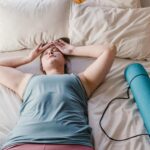
Managing Anxiety Naturally: Tools Without Medication That Actually Work
Anxiety is more common than ever. Deadlines, social pressure, finances, and constant digital noise can make your mind feel like it never rests. Therefore, more people are now looking for natural ways to manage anxiety without medication. They want options that feel safe, simple, and sustainable.
The good news is this: there are powerful, science-backed tools you can use today. These tools support your mind and body. They reduce stress. They improve calm. And they help you take back control.
In this guide, you will learn how to manage anxiety naturally using easy methods that fit into your daily life.
Understanding Anxiety Before You Control It
Anxiety is your body’s natural response to danger. It prepares you to react. It sharpens your focus. It boosts your alertness.
However, when anxiety is constant or intense, it stops being helpful. Instead, it becomes harmful. It can affect your sleep. It can harm focus. It can change your mood. And it can weaken your immune system.
Common symptoms of anxiety include:
- Fast heartbeat
- Shallow breathing
- Racing thoughts
- Muscle tension
- Irritability
- Trouble sleeping
Therefore, learning to calm your system is the first step to healing.
Why Choose Natural Anxiety Relief?
Medication can help some people. However, many want to try natural options first. Natural tools work with the body’s systems. They have fewer side effects. They can be used daily. And they build long-term strength.
Natural anxiety management focuses on:
- Mind-body connection
- Lifestyle balance
- Better emotional control
- Stronger self-awareness
As a result, you don’t just mask the problem. You address the root cause.
Powerful Natural Tools to Reduce Anxiety
Below are proven tools that you can start using today. They do not require special equipment. They work for beginners. And they bring real, lasting results when used often.
1. Deep Breathing Techniques
Breathing is one of the fastest ways to reduce anxiety. When you breathe slowly and deeply, your nervous system calms down.
Try this simple method:
- Inhale through the nose for 4 seconds
- Hold your breath for 4 seconds
- Exhale slowly through the mouth for 4 seconds
- Repeat for 2 to 5 minutes
As a result, your heart rate slows. Your muscles relax. Your mind becomes clear.
2. Physical Movement
Exercise is not only good for the body. It is also powerful for the mind. Movement releases endorphins. These are “feel-good” chemicals.
Good options include:
- Walking
- Yoga
- Swimming
- Cycling
- Dancing
Therefore, even a short 20-minute walk can cut anxiety levels in half.
According to the Anxiety and Depression Association of America, exercise is a strong natural stress-reliever: https://adaa.org
The Power of Mindfulness and Meditation
Mindfulness means paying attention to the present moment. Instead of worrying about tomorrow, you focus on now. Instead of replaying the past, you return to your breath.
Start with 5 minutes a day. Sit in a quiet space. Close your eyes. Focus on your breathing. When thoughts appear, gently return to your breath.
Over time, meditation trains your brain to stay calm even in stress. Therefore, your reaction to anxiety changes. You observe it instead of becoming it.
The Impact of Nutrition on Anxiety
Food is fuel for your brain. If your diet is poor, your mental health may suffer. However, when you eat well, your body stabilizes and your mind feels safer.
To reduce anxiety naturally, focus on:
- Whole grains
- Fresh vegetables
- Fruits
- Nuts and seeds
- Omega-3 rich foods like fish
- Plenty of water
At the same time, reduce:
- Caffeine
- Refined sugar
- Processed food
- Alcohol
As a result, your energy becomes stable and your mood improves.
The Importance of Sleep in Anxiety Management
Without sleep, anxiety grows. With sleep, the brain resets. Therefore, improving sleep is a key step.
To sleep better:
- Have a fixed bedtime
- Turn off screens before bed
- Keep your room dark and cool
- Avoid heavy meals at night
- Use calming music or white noise
Even improving sleep by one hour per night can reduce anxiety in a big way.
Nature Therapy: Healing Through the Outdoors
Spending time in nature can lower stress hormones. It reduces blood pressure. It calms the mind.
If you cannot visit a forest or beach, try:
- Walking in a park
- Sitting near plants
- Listening to nature sounds
- Gardening
Therefore, even 10 minutes outside can reset your emotions.
Journaling: Clearing the Mind on Paper
Writing is therapy for the brain. When you put your thoughts on paper, they stop spinning inside your head.
Try this at night:
- Write your top 3 worries
- Then write one small action for each
- Finally, write one thing you are grateful for
As a result, your mind feels organized and lighter.
Five Consecutive Sentences Starting With The Same Word
You deserve peace. You deserve rest. You deserve clear thoughts. You deserve safety in your own mind. You deserve to feel calm again.
These words may seem simple, but they matter. Saying them daily can shift your mindset. Positive self-talk reduces stress. And with practice, it becomes natural.
Daily Habits That Reduce Anxiety Over Time
Small habits create big results. Therefore, build a daily routine that supports mental balance.
Here are easy habits to follow:
- Wake up and sleep at the same time
- Drink water first thing in the morning
- Move your body once per day
- Eat at regular times
- Disconnect from social media for at least one hour
- Spend time with positive people
Even if you follow only two of these habits at first, you will feel change.
When to Seek Professional Help
Natural tools are powerful. However, sometimes extra support is needed.
Seek help if you experience:
- Panic attacks
- Constant fear
- Avoiding daily activities
- Physical symptoms with no clear cause
- Long-term depression
Talking to a therapist does not mean weakness. It means strength. It means you are ready for healing.
Key Benefits of Managing Anxiety Naturally
To summarize, natural anxiety management helps you to:
- Regain emotional control
- Improve sleep quality
- Strengthen mental focus
- Reduce physical stress symptoms
- Build long-term resilience
And most importantly, it helps you trust yourself again.
Your Action Plan Starts Today – Call To Action
Now that you know the tools, choose one method from this article and start today. Take five deep breaths. Go for a walk. Drink water. Write in a journal. Do just one step.
Then, come back and share your experience. Leave a comment. Tell others what worked for you. And if this article helped, share it with someone who needs peace.
Your journey to calm begins with one small, powerful choice. Start now. You are worth it. 🌿
Also Read : The Powerful Link Between Sleep and Mental Health