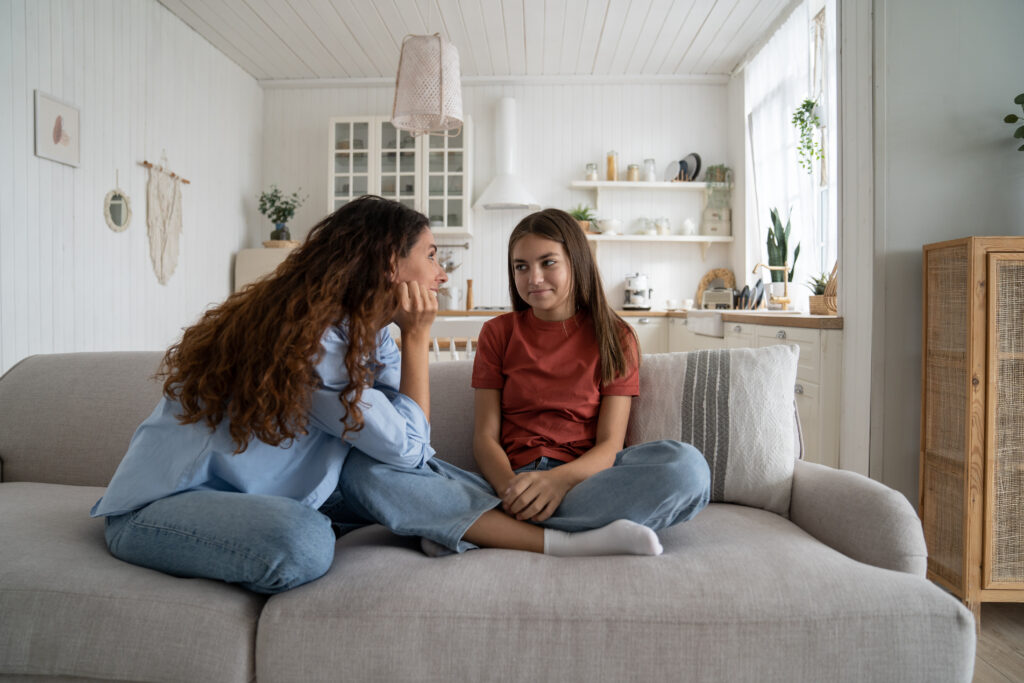
How to Discipline Without Yelling or Punishment
Discipline is one of the hardest parts of parenting. When emotions run high, it feels easy to raise your voice or use punishment. However, yelling and harsh discipline can hurt a child’s confidence, damage trust, and weaken your relationship. On the other hand, calm and positive discipline teaches responsibility, respect, and self-control.
The good news is simple. You can discipline your child without yelling or punishment. You can guide them with kindness, structure, and understanding. This approach works better in the long run and creates a healthier atmosphere at home.
In this guide, you will learn practical, proven ways to discipline without anger. You will also discover positive discipline techniques that improve behavior while protecting your child’s emotional well-being.
Why Yelling and Punishment Don’t Work Long-Term
Yelling may stop behavior for a moment. Punishment may force short-term obedience. However, both often lead to fear, resentment, and distance.
Children who are yelled at:
- Feel unsafe and anxious
- Learn to fear mistakes
- Copy aggressive behavior
- Lose trust in parents
Similarly, harsh punishment teaches children what not to do, but it rarely teaches them what to do instead. As a result, the same problems often return.
According to the American Psychological Association, consistent positive discipline is more effective in helping children develop self-control and emotional stability than punishment-based methods. You can learn more here:
https://www.apa.org
Therefore, it is time to use a new approach.
What Is Positive Discipline?
Positive discipline is about teaching, not punishing. It focuses on respect, boundaries, guidance, and connection. It helps children understand their actions and learn better choices.
Positive discipline includes:
- Clear rules
- Calm consequences
- Emotional support
- Problem-solving
- Consistency
- Empathy
Most importantly, it treats your child as a learner, not a problem.
The Power of Staying Calm
Before learning new methods, understand this: your calm is your most powerful tool. When you stay calm, your child can stay calm too.
Here are simple ways to stay calm:
- Take a slow breath
- Lower your voice
- Step away if needed
- Count to ten
- Drink water
Even a pause of five seconds can prevent yelling.
8+ Consecutive Sentences Starting With the Same Word
Choose calm.
Choose connection.
Choose understanding.
Choose patience.
Choose kindness.
Choose respect.
Choose long-term growth.
Choose love.
Choose progress.
These choices shape your child’s behavior and your relationship.
1. Set Clear and Simple Rules
Children need structure. Without clear rules, they feel confused. Confusion often leads to misbehavior.
Instead of:
“Stop that!”
Try:
“We use gentle hands.”
Clear rules give guidance and safety.
Keep rules:
- Simple
- Short
- Positive
- Consistent
Then, repeat them often.
2. Use Natural Consequences
Natural consequences teach real-life lessons. They happen without anger or punishment.
Examples:
- If toys are left outside, they may get wet.
- If homework is not done, the teacher is upset.
- If a coat is not worn, the child feels cold.
These experiences teach responsibility without yelling.
Always make sure the consequence is safe and age-appropriate.
3. Offer Choices
Children want control. When they feel powerless, they resist. Giving choices gives them a sense of power in a safe way.
For example:
- “Do you want the red shirt or blue shirt?”
- “Homework first or snack first?”
- “Brush teeth now or in five minutes?”
Choices reduce power struggles.
4. Focus on Teaching, Not Shaming
Shame damages self-esteem. Teaching builds skills.
Instead of saying:
“You are bad.”
Say:
“That choice was not okay. Let’s try again.”
Separate the child from the behavior. This keeps their identity safe.
5. Use Time-In, Not Time-Out
Time-out pushes a child away. Time-in brings them closer.
Time-in means:
- Sit beside your child
- Talk calmly
- Listen to their feelings
- Help them relax
- Guide better choices
Connection reduces future misbehavior.
6. Praise Effort, Not Just Results
Children grow when effort is noticed. Therefore, praise the process, not only the outcome.
Say things like:
- “You tried hard.”
- “You didn’t give up.”
- “I’m proud of your effort.”
This builds a growth mindset.
7. Be the Role Model
Children learn from what they see. If they see yelling, they yell. If they see calm, they learn calm.
Therefore:
- Speak kindly
- Solve problems calmly
- Admit mistakes
- Apologize when wrong
Your actions teach louder than your words.
8. Validate Feelings
Children misbehave because they feel overwhelmed. Therefore, naming feelings helps calm the brain.
Say:
- “I see you are angry.”
- “You feel hurt.”
- “That was frustrating.”
Then say:
- “It is okay to feel this way.”
- “But we don’t hurt others.”
Validation reduces emotional storms.
9. Build Routines
Routines create calm and predictability. They reduce stress for everyone.
Helpful routines include:
- Morning routine
- Homework routine
- Dinner routine
- Bedtime routine
When children know what comes next, they cooperate more easily.
10. Use Problem-Solving Together
Instead of giving orders, solve problems with your child.
Ask questions like:
- “What happened?”
- “What can we do better next time?”
- “How can I help you?”
Problem-solving teaches life skills and responsibility.
The Long-Term Benefits of Positive Discipline
When you choose to discipline without yelling or punishment, you are teaching life lessons that last forever.
Children raised with positive discipline often grow into adults who are:
- Confident
- Respectful
- Emotionally strong
- Good problem solvers
- Calm under pressure
This is not just discipline. This is leadership. This is love in action.
Common Challenges (And How To Handle Them)
Even with the best tools, some days are hard. That is normal.
Here is what to remember:
- Progress takes time
- Mistakes are part of growth
- Consistent effort wins
- You are learning too
When you slip and yell, forgive yourself. Apologize to your child. Then try again. That lesson alone teaches humility and respect.
Your Calm Home Starts Today
Discipline without yelling is not weakness. It is strength. It is wisdom. It is emotional intelligence in action.
Start with just one change today:
- Lower your voice
- Pause before reacting
- Speak one kind sentence
- Listen more
- Breathe deeper
One small step becomes a new habit.
Strong Call-to-Action
Now it’s your turn.
If this guide helped you, share it with another parent who needs support. Save it. Print it. Use it daily.
And most importantly, choose calm today. Choose connection today. Choose better discipline today.
Your child is not the problem. The method is.
Change the method. Change the future.
Also read : Top 10 Parenting Mistakes and How to Prevent